Many industrial companies approach marketing in bursts. They run a campaign. Send an email. Perhaps promote a new product. Maybe they try advertising for a short period. Then, when immediate results don’t appear, the activity stops. Months later, the process repeats.
This start-and-stop approach to marketing is extremely common in the industrial world—but it is also one of the biggest reasons companies struggle to generate consistent sales opportunities.
Industrial buying behavior simply doesn’t work that way. Unlike consumer markets where purchases can happen quickly, industrial buying cycles are long, deliberate, and highly researched. Because of this, companies that communicate consistently over time dramatically outperform those that rely on occasional, one-off marketing efforts.
Understanding why this is the case—and adjusting your marketing approach accordingly—can have a significant impact on your long-term growth.
Industrial Sales Cycles Are Long by Nature
Industrial purchases are rarely simple decisions. A new valve specification, precision component, or automation component can affect production profoundly. Even if it’s done for the sake of process improvement in terms of speed, output, product quality, safety, or long-term operating costs, the stakes are high. Because of this, buyers take their time.
Industry research consistently shows that the typical B2B industrial buying process often spans several months, and in many sectors it can extend to six months or longer. In some cases, particularly for capital equipment or major system integrations, the process may stretch into a year or more.
Several factors contribute to this extended timeline:
- Multiple stakeholders are involved in the decision
- Engineers must evaluate specifications and performance
- Purchasing departments review pricing and supplier qualifications
- Management evaluates risk and long-term reliability
By the time a decision is made, buyers have usually spent months researching potential solutions and suppliers. And importantly, most of that research happens long before a salesperson ever gets involved.
Buyers Conduct Extensive Research Before Contacting Suppliers
Today’s industrial buyers are highly self-directed. Engineers and technical decision-makers often begin their search online, reviewing product specifications, application information, white papers, case studies, and supplier capabilities before ever reaching out.
Research indicates that a majority of the purchasing process—often 60–70%—is completed before a buyer contacts a supplier directly.
During this time, potential customers are evaluating:
- Technical capabilities
- Product performance and specifications
- Reliability and reputation of suppliers
- Application knowledge and engineering expertise
This means that companies must already be visible, credible, and informative during this research phase. If your company is silent—or appears only occasionally—you risk never entering the buyer’s consideration set in the first place.
Consistent communication helps ensure that your company remains present while buyers are educating themselves and forming opinions about potential suppliers.
Industrial Sales Require Many Touchpoints
Another reality of modern industrial marketing is that buyers rarely make decisions after a single interaction.
It typically takes numerous exposures to a company before a prospect feels confident enough to move forward. Studies of B2B purchasing behavior show that buyers often encounter dozens of interactions with a company’s content and messaging before a deal is finalized. These interactions may include:
- Educational articles and blog posts
- Technical product information
- Email communications
- Industry advertisements
- Case studies and application stories
- Webinars or videos
- Trade show interactions
Each interaction builds familiarity and trust. Over time, these touchpoints reinforce the perception that a supplier is knowledgeable, reliable, and worth considering.
This process rarely happens quickly. It unfolds gradually as buyers continue researching and evaluating options. A single marketing campaign cannot realistically deliver all of those interactions. Only sustained communication over time can do that.
Why Sporadic Marketing Fails
Because industrial marketing results develop gradually, sporadic campaigns often fail to generate meaningful impact. A company may send one promotional email, run a brief advertising effort, or publish a product announcement and expect immediate inquiries. When results are limited, the marketing stops.
But from the buyer’s perspective, that communication was simply one small signal in a long stream of information they encounter daily. Without follow-up messages, additional content, and continued visibility, the company quickly fades from memory.
This is why sporadic marketing can be compared to introducing yourself to someone once and then disappearing. Even if the first interaction was positive, it is unlikely to lead to a relationship. Industrial buyers need time to learn about your company, understand your capabilities, and build confidence in your expertise. That process requires repeated, valuable communication.
Continuous Communication Keeps You Top of Mind
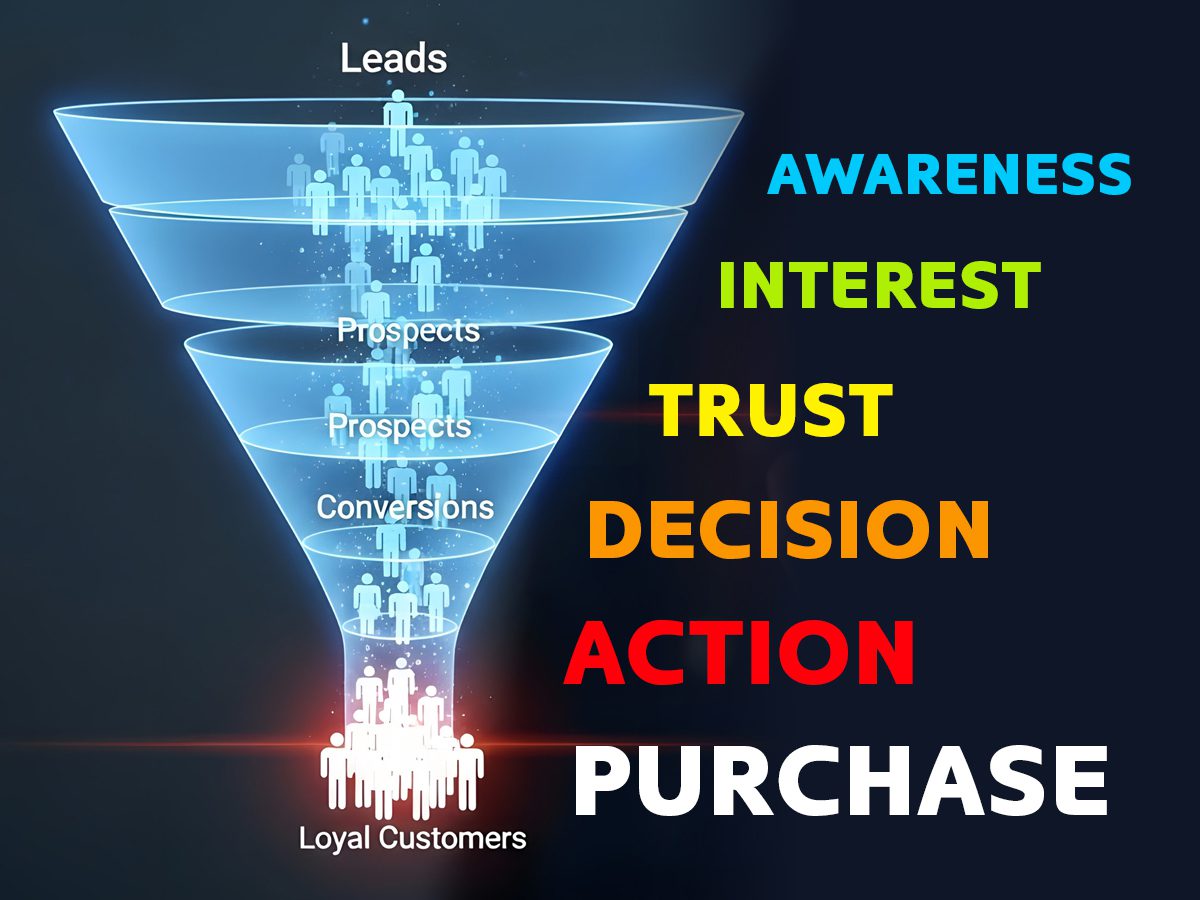
When marketing communication is delivered consistently, something powerful happens: your company stays present throughout the entire buying journey.
Instead of appearing once and vanishing, your organization becomes a familiar and trusted voice. Regular communication allows you to:
- Demonstrate expertise in your field
- Educate prospects about applications and solutions
- Showcase successful projects and case studies
- Reinforce brand recognition and credibility
Over time, this steady presence builds trust. Then, when a buyer finally reaches the point where they are ready to engage with suppliers, the companies they remember are the ones that have been consistently visible and helpful throughout their research process. In many cases, those companies receive the first inquiry.
Patience Is Part of the Strategy
One of the most important mindsets for industrial companies to adopt is patience.
Because buying cycles are long, marketing results often accumulate gradually rather than appearing overnight. A campaign launched today may influence a purchasing decision months down the road.
Companies that understand this dynamic tend to stay committed to their communication strategy. They continue producing valuable content, maintaining visibility, and nurturing prospects. Those that abandon their efforts too quickly often miss the opportunity to benefit from the long-term momentum that consistent marketing creates.
In this sense, successful industrial marketing is less about quick wins and more about building a sustained presence that pays dividends over time.
Building a Marketing Strategy That Works Over Time
Executing consistent communication requires planning and structure. Successful companies rarely rely on isolated tactics. Instead, they develop coordinated strategies that deliver ongoing engagement.
A strong industrial marketing program may include:
- Regular educational email campaigns
- Technical articles and application insights
- Case studies demonstrating real-world results
- Product updates and innovation announcements
- Consistent digital advertising and visibility
- Website resources that support buyer research
Together, these efforts create a continuous flow of information that supports buyers throughout their decision process. The key is not simply sending more messages, but providing valuable communication that genuinely helps your audience understand solutions and make better decisions.
Managing the Challenge of Continuous Communication
For many industrial companies, maintaining this level of communication can be challenging while also managing daily operations.
That’s where a strategic marketing partner can help.
ClearImages works with industrial companies and manufacturers to develop and execute marketing strategies designed for the realities of long industrial buying cycles. Our approach focuses on sustained engagement—ensuring that your company remains visible, credible, and informative throughout the entire purchasing journey.
By building structured campaigns, creating technical content, and delivering consistent communication, we help companies stay on the radar of the engineers and decision-makers who matter most.
Because in industrial marketing, success rarely comes from a single message. It comes from showing up consistently, providing value, and building trust over time.