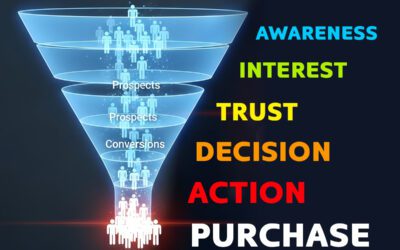

Why Most Leads Don’t Become Customers Immediately (And Why That’s OK)
One of the most common reactions engineers and industrial business owners have after running a marketing campaign goes something like this:
“These leads aren’t very good.”
It’s an understandable reaction. After investing time and money into a campaign—whether it’s advertising, trade shows, email marketing, or digital lead generation—many companies receive a list of inquiries and expect the phone to start ringing with orders.
But that’s rarely what happens.
And the reason isn’t that the leads are bad. If your marketing manager or external agency is doing it right, the lead sheets come in full of these job titles: Prototype Engineer, Maintenance Engineer, Senior Mechanical Engineer, Principal Application Engineer, Manufacturing Engineer, President — and many more similar people of that caliber who are actually part of the buying or specification process.
The Reality of Industrial Sales Cycles
Unlike consumer purchases or simple commodity transactions, industrial buying decisions are usually complex. Engineers and procurement teams are careful, for good reason. They are evaluating solutions that may affect production processes, product performance, safety, or long-term operational costs.
Before a purchase is made, buyers often go through a lengthy process that can include:
- Initial research into possible solutions
- Gathering technical information and specifications
- Comparing multiple suppliers
- Internal engineering reviews
- Budget approvals
- Testing or validation
- Timing the purchase with project schedules
That process can take months—and sometimes years.
When someone downloads a specification sheet, requests information, or fills out a form on your website, they are often at the very beginning of that journey. They are gathering information, learning about potential solutions, and identifying companies that might be able to help.
Expecting an immediate purchase from that initial interaction is a little like expecting a marriage proposal on the first date. It just doesn’t happen that way.
What Lead Nurturing Really Means
Lead nurturing is the process of building a relationship with those potential customers over time.
Instead of assuming that every lead should immediately convert into a sale, nurturing recognizes that many prospects are still researching, evaluating, or planning. The goal is to stay visible, helpful, and credible while they move through that process.
Done properly, lead nurturing keeps your company top-of-mind so that when the prospect is finally ready to move forward, your company is one of the first they think of.
Why Lead Nurturing Is So Important in Industrial Markets
Industrial buyers tend to be careful, analytical, and risk-conscious. Engineers want reliable data. Purchasing teams want confidence in the supplier. Management wants to know they are making a sound decision.
That confidence doesn’t happen overnight.
It builds through repeated interactions—seeing your expertise, learning about your solutions, and understanding how you solve problems in real-world applications.
Without ongoing communication, even strong leads can go cold. Not because the prospect lost interest, but because another company stayed engaged while you disappeared from their radar.
Lead nurturing fills that gap.
Practical Ways to Nurture Industrial Leads
Effective lead nurturing isn’t about sending constant sales pitches. In fact, that approach usually backfires with technical audiences. Instead, the goal is to provide useful, relevant information that helps engineers and decision-makers do their jobs better. Some effective approaches include:
Technical Content
Application notes, white papers, engineering data, and design resources help prospects evaluate solutions and build confidence in your expertise.
Case Studies and Application Examples
Showing how your products or services solved a real problem for another company makes your capabilities tangible and credible.
Educational Email Communication
Periodic emails that share insights, tips, or new resources help maintain visibility without being intrusive.
Engineering Resources
CAD files, performance data, design guides, and calculators can be extremely valuable for engineers during the evaluation phase.
Consistent Communication Over Time
The key word here is consistent. One or two follow-ups won’t do much. Nurturing works because it maintains an ongoing relationship over the long haul.
Lead Nurturing Is a Long-Term Strategy
Just as industrial sales cycles take time, lead nurturing reaps rewards over time as well.
Some leads may convert in a few months. Others may take much longer. Some may not turn into customers at all—but they may recommend you to someone else or return later when a need arises.
The important point is that nurturing ensures the prospects you worked hard and spent money to generate don’t simply fade away. Remember our above list of real industrial leads? Those people are now in your data base, and they are important.
Instead of treating leads as a one-time opportunity — or worse, deciding they are not worth your time and attention because they didn’t have a need for your product or service immediately, nurturing treats them as the beginning of a relationship. And like any relationship, it develops through consistent, meaningful interaction—not a single conversation.
Turning Leads Into Customers
Lead generation is only the first step in growing an industrial business. What ultimately determines success is what happens after that lead arrives.
Companies that nurture their leads effectively build stronger relationships, establish credibility, and stay visible during long buying cycles. Over time, those relationships translate into better conversations, stronger opportunities, and more customers.
____________
ClearImages helps manufacturers and industrial companies to develop marketing strategies that align with how industrial buying actually works. Knowledgeable lead generation tactics are followed by all the aspects of effective lead nurturing, including creating technical content, developing valuable email communications, and building long-term lead nurturing programs designed to support extended sales cycles.